
A New Effort To Save The Ozone Layer And Protect The Climate
Friday September 23, 2016
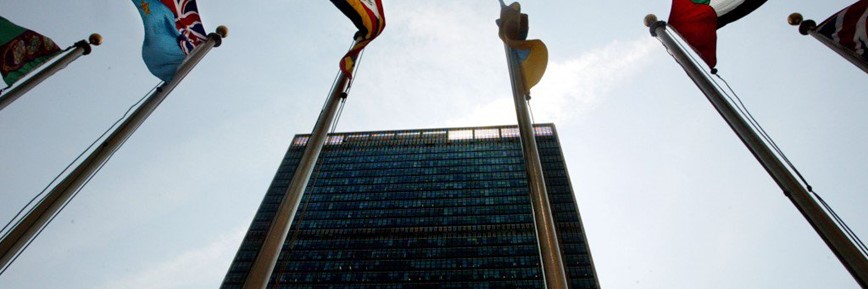
As world leaders gathered at the United Nations this week, the Obama administration and global partners today announced several unprecedented steps to secure an ambitious amendment to the Montreal Protocol. This successful global agreement is already putting Earth's fragile ozone layer back on track to full restoration. But an ambitious amendment would dramatically cut down on the usage of damaging greenhouse gases known as hydrofluorocarbons or HFCs.
HFCs are commonly used in air conditioning and refrigeration applications around the world. They can be hundreds to thousands of times more potent than carbon dioxide and their emissions are increasing by 10 to 15 percent on an annual basis globally. That's why we must continue working to replace HFCs with more climate-friendly alternatives. And an amendment to the Montreal Protocol is the best way to do that.
Last year, global leaders agreed to work within the Montreal Protocol to an HFC amendment in 2016.†Coming to an agreement among nearly 200 countries is never easy, and considerable differences still need to be bridged. But we're confident that an amendment will be reached during final negotiations at the next Montreal Protocol conference in Rwanda next month.
Today's announcements include four main components that will help ensure a strong outcome during the conference:
- One: Including an appropriate early freeze date,†when production and consumption of HFC refrigerants must stop increasing in so-called Article 5 countries (i.e., those in need of assistance). During an event in New York this morning, ministers representing more than 100 countries rallied behind an ambitious amendment with an early freeze date.â€
- Two: 16 donor countries and philanthropists announced their intent to provide $80 million in fast start support to Article 5 countries. $27 million in funding from donor countries is being offered to help Article 5 countries jump-start their efforts to design and implement programs that reduce HFCs. It will be provided as long as an ambitious amendment with a sufficiently early freeze date is adopted this year. Meanwhile, $53 million from philanthropists will help countries maximize economic benefits during this transition through various energy efficiency programs. This is the largest-ever package of fast-start philanthropic support for boos...