
Want To Know The Leading Cause Of Oil & Gas Spills? So Do We
Friday September 2, 2016
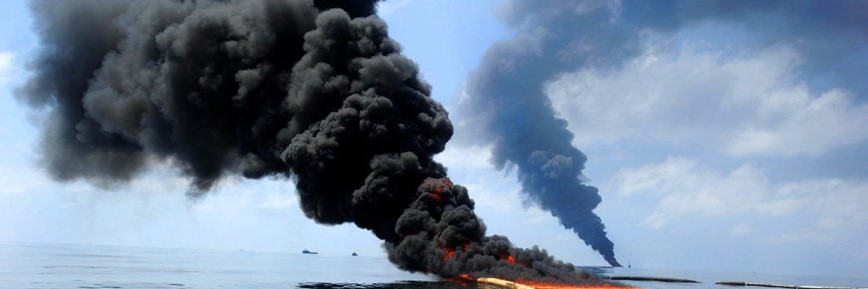
When the oil and gas industry spills or leaks harmful fluids whether toxic oil or chemical-laden wastewater the damage to local ecosystems can last for decades.
Understanding the most common causes of accidental releases could help stakeholders take corrective measures to avoid them. Unfortunately, many regulators don't collect and make transparent critical information about how many accidents are happening, and what causes them.
For other risky activities, regulators gather and publish information about the most common causes of negative events. Take national car accident rates, for example, as illustrated in this infographic from the Washington Post.
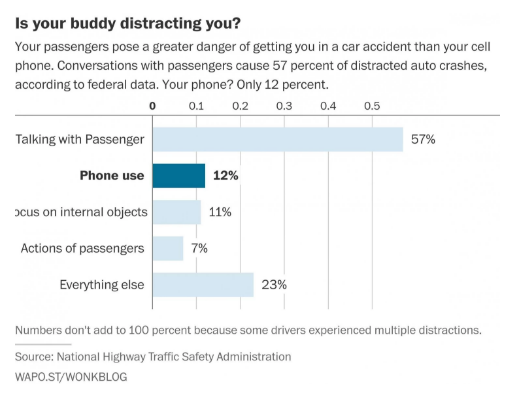
This specific information about the leading causes of traffic accidents helps drivers pinpoint exactly which behaviors cause problems, and hopefully that awareness prompts behavior modifications.
Data lag
Information about the leading cause of leaks and spills from oil and gas activities isn't available because many regulators don't require operators to report the real cause of incidents- instead accepting unhelpfully vague descriptions like equipment failure†or human error.†In a recent multi-year research effort, the Environmental Protection Agency looked at approximately 12,000 recorded spills potentially related to oil and gas activity. These spills represented only a subset†of data from just two states- Colorado and Pennsylvania. National data about spills and information from other states was simply unavailable or of such poor quality as to be useless. Even worse, the spill data that was available didn't contain enough information to allow for meaningful analysis. EPA was only able to determine that the cause†of the greatest volume of produced water spills was failure of container integrity,†which is a lot like saying that the cause of the spill was a spill. Nearly a third of hydraulic fracturing fluid spills had an unknown source.
Spill Data at Work
Fortunately, some states have enacted comprehensive incident reporting rules that are improving o...