
U.S. Utilities Weigh The Cost And Benefit Of ISO 55001 Certification
Thursday July 28, 2016
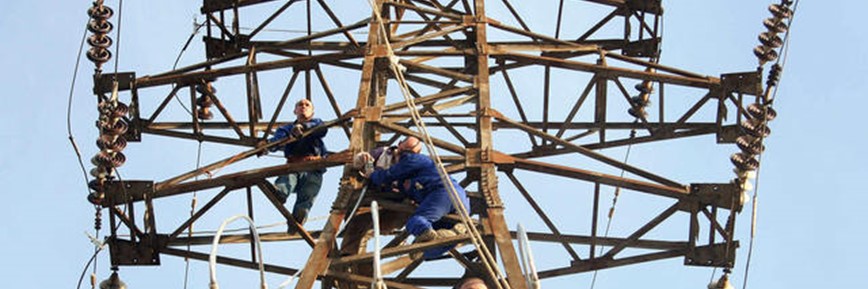
Over the last few years there has been an increasing uptake of asset management by U.S. utilities, largely as a response to the challenges posed by the need to replace or rehabilitate aging infrastructure, coupled with the ever more stringent demands of customers for improved levels of service. All this has to be seen in the context of the post-2008 financial downturn, with utilities ‘C-suite' laser focused on the perpetual question of when and where is my next dollar best spent?â€
The benefits of good practice asset management implementation are well documented. They include better management of risk; effective prioritization of investment; breakdown of organizational silos with increased collaboration and alignment around asset life cycle management; documentation of key processes and procedures; and structured training and retention of key skills.
As an example, some utilities in the UK that  implemented asset management programs and standards several years ago have achieved, among other benefits:
- A 20 percent reduction in capital costs
- A 10 percent reduction in operational costs
- Improved environmental compliance (from worst to first)
However, the journey to implementing an asset management approach in utility organizations can be tortuous if the organization doesn't have a clear picture of where their starting point or current maturity level†is, nor a clear picture of what constitutes good practice.â€
ISO 55001 A Framework for Asset Management
In early 2014, an ISO standard was published that defined for the first time an internationally recognized view of good practice asset management. ISO 55001 is largely based on the PAS55 standard from the UK and is rapidly becoming the global benchmark for utilities to compare their current maturity against and define the future end-state of their asset management system.
Typically, utilities undertake an assessment of their current maturity against the standard and use the results to help understand the gaps between the as-is†and to-be†states of their asset management system. Often third parties are used to accurately assess the current maturity. These assessors should be endor...