
The Case for Prefabricated Data Centers in the Oil and Gas Industry
Monday January 25, 2016
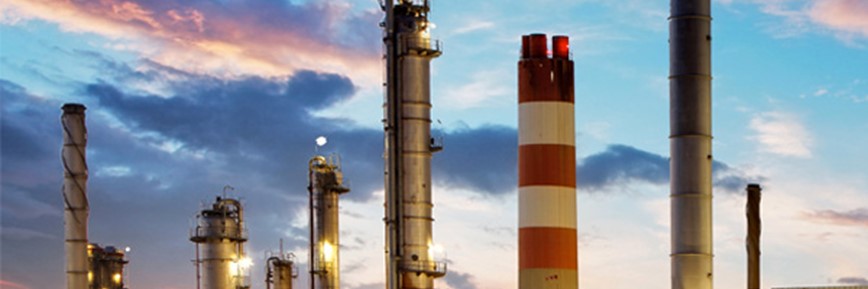
Some of the most inhospitable areas on the planet — scorching deserts, volatile war zones and remote and harsh regions — are often home to oil and gas exploration and production sites.
Rugged environmental conditions, poor infrastructure, small populations of professional expertise and added transportation time and cost are among the most common challenges of these sites.
Yet, these harsh conditions do not preclude oil and gas entities from having the same technology needs as those industries working under “normal” conditions. In fact, the needs can often be greater as new technologies and applications driving efficiency in exploration are also increasing requirements for information processing. And oilfield-based data centers need to be compliant to the highest industry standards in terms of resiliency.
Many oil and gas production entities are now faced with an urgent need to modernize IT infrastructures to maximize performance and optimize operational levels. In this two-part blog series, I’ll explain how prefabricated data centers offer a unique solution to meet these growing (and industry-specific) needs.
Solving Industry Issues
While diverse use cases for new data centers in the oil and gas industry are plentiful, capital investments to build or upgrade these facilities have been primarily targeted at operational technologies such as automation and digitization.
Paradoxically, this choice actually adds to the spend since relegating processing capabilities to far-flung data centers in a company’s more urban facility results in the need for large and expensive data connections via satellite. This move also increases risk of delays or downtime.
Managers of these sites are sensibly now looking to build data centers on site to alleviate latency issues, reduce costs and avoid conflicting with data protection laws that increasingly require O&G majors to process data within the national borders of those countries where oilfields are located.
All above constraints together with very high degrees of unpredictability, potential delays and budget overruns make traditional data ...