
OPEC boxes itself into a corner: Fuel for Thought
Monday February 29, 2016
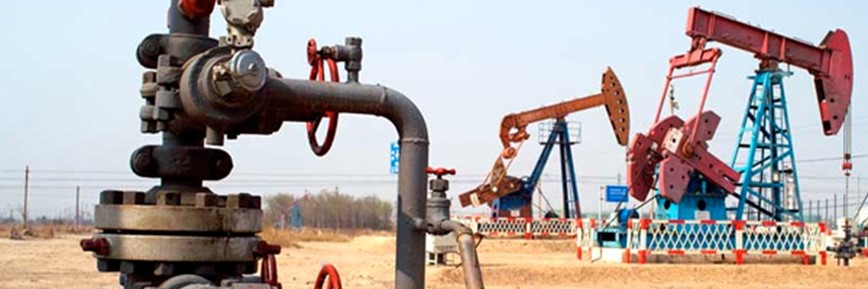
Heavyweight oil producer group OPEC stepped into the ring with young upstart US shale back in November 2014 and delivered its best shot. Led by prizefighter Saudi Arabia, it decided not to cut output in hopes of arresting the slide in prices, but, in an attempt to floor the relatively high-cost producer, declared it would defend its ground. Fast forward 13 months and unconventional crude supply is down but not out. And OPEC, whose membership has been split down the middle by a policy aimed at clawing back market share from what has proved to be a resilient opponent, must be wondering whether it has all been worth it — especially after having read the International Energy Agency’s latest medium-term forecasts. The IEA expects US light tight oil output to start recovering in 2018 after a 600,000 b/d decline in 2016 and a further 200,000 b/d drop next year. It sees US light tight oil reaching 5 million b/d by 2021, up from 4.23 million b/d in 2015 as oil prices recover and technology continues to improve. Indeed, OPEC is now in a predicament of its own making. It and Saudi Arabia have regularly stipulated over the past 13 months that OPEC will not cut output unilaterally but is willing to work with independent producers towards a stable market. But no one has shown willing to cut production and the talk now is of an output freeze, as proposed by non-OPEC Russia, Saudi Arabia and two other OPEC members, Venezuela and Qatar. OPEC Secretary General Abdalla el-Badri suggested in Houston last week that the proposed freeze could be a first step in the effort to deal with a global supply glut. But Saudi Arabian oil minister Ali Naimi pretty much dismissed any potential for future output cuts, telling the same conference audience that a coordinated production cut would be essentially pointless. “There is no sense in wasting our time seeking production cuts,” Naimi said, adding that OPEC and non-OPEC producers would likely “not deliver” if asked to cut production. Naimi was confident that major producers would join a pact to freeze production at January levels. US shale producers having their “Rocky” moment But, understandably, there is some disgruntlement within OPEC’s ranks about the mechanics of a freeze, which would see producers hold output at the January level. This would mean Saudi Arabia continuing to pump in excess of 10 million b/d and Russia at the all-time high of 10.88 million b/d. Not surprisingly, Iran is unwilling to play ball, with...