
BP to face Senate over Australian Bight oil and gas drilling plans
Sunday February 28, 2016
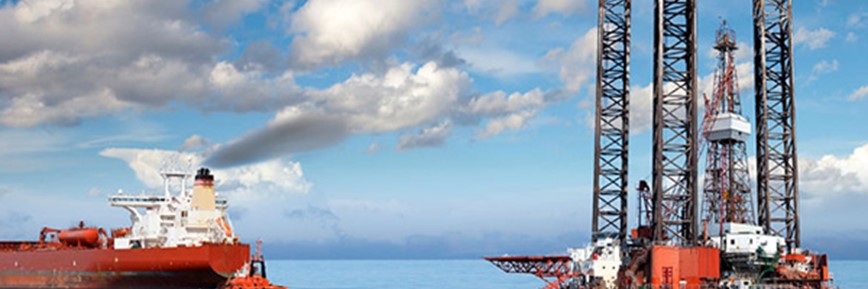
Offshore oil exploration in Australia’s most prospective frontier basin could be heading the way of onshore gas development in the country’s southeast: straight into an environmental roadblock. Plans by UK major BP to drill for oil and gas in the Great Australian Bight were knocked back by the federal regulator last November, and now the Senate is going to take a look at the proposal, in a move that activists have said means politicians will be doing the work of the government’s environment department. Australia’s National Offshore Petroleum Safety and Environmental Management Authority last year ruled that BP’s plans to drill four wells in the Bight’s Ceduna Sub-basin did “not yet meet the criteria for acceptance under the environment regulations.” Oversight of the offshore drilling plans was moved from the environment department to NOPSEMA in 2013. BP has played down the significance of the rejection, saying it was a normal part of the process of scrutiny and that it had expected to have to work hard to get its environmental clearances. The company will now have to persuade the politicians, including members of the Australian Greens party, after the upper house of federal parliament referred the drilling plans, and any future oil and gas production in the Bight, to its Senate Standing Committees on Environment and Communications. The committee will be open for submissions until April 1 and will report back by May 12. The Bight, a vast tract of ocean off Australia’s southern coast, is home to an array of marine life, including humpback, blue and southern right whales, southern bluefin tuna, sea lions and great white sharks. It is regarded as one of the world’s prime frontier basins, with potential for big reserves of oil and gas. That promise has seen it attract the attention of a number of other industry heavyweights, including Chevron and Murphy Oil. BP is yet to submit a modified environmental plan to NOPSEMA, but is still aiming to get its $600 million drilling campaign underway toward the end of 2016. The company holds its acreage in a joint venture with Norway’s Statoil. BP’s plans to drill in the remote region have come under particular scrutiny due to the company’s role as operator of the Macondo well in the Gulf of Mexico, which blew out in April 2010, spewing 3.19 million barrels of oil into the sea over 87 days. The well failure caused an explosion on the Deepwater Horizon drilling rig in which 11 lives were lost...