
Drought Prompts Need For Alternative Water Supplies, But Other Drivers Gaining Traction
Thursday August 18, 2016
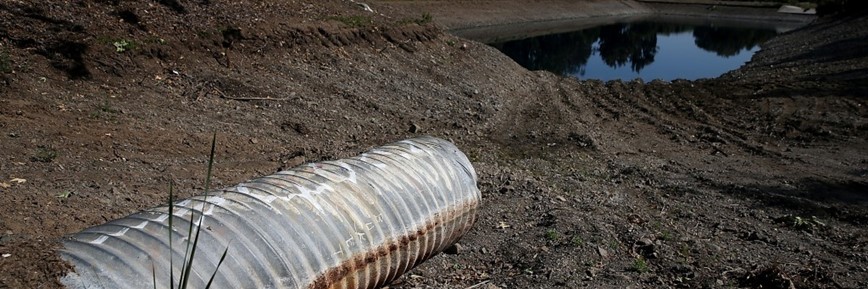
The importance of alternative water supplies, such as water reuse, brackish groundwater and desalination, continues to grow as organizations look to build diversified, resilient water supplies.
In most cases, the adoption of alternative water supplies is regionally specific. For instance, in the Southwest U.S., Texas and Florida, the emphasis is on developing potable reuse. Non-potable reuse continues to be broadly employed across the country, and desalination is being implemented in select applications where cost and environmental permitting can be overcome.
There is most definitely a broader interest across the nation in alternative water supplies,†said Jon Loveland, who serves as the Global Practice Leader for Alternative Water Supply in Black & Veatch's water business. Even in so-called ‘wet' states, the topic is showing up on the radar for reasons other than drought.â€
Reuse Gains Popularity
According to the 2016 Black & Veatch Strategic Directions: U.S. Water Industry report, non-potable reuse is finding its way as a good middle ground†for utilities and the public to consider, Loveland said.
Non-potable reuse for landscaping or industrial use enjoys solid public support, and we have a strong outlook for this type of program,†he noted.
For instance, nearly 25 percent of water utilities that serve power plants are implementing non-potable water reuse, a figure expected to rise another 10 percent over the next three years. Use of recycled water in cooling towers is expected to nearly double in the next three years, from 16 percent to 30 percent, and data center reuse will fully double in usage, according to respondents' three-year outlook.
This shows that there is a lot of room for growth, and utilities are demonstrating that they are willing to take on new areas that they've not delved into in the past,†said Sanjay Reddy, Client Director for Black & Veatch's water business. Given that these results are based on responses from the entire country and not just regional responses from arid states they highlight that utilities are making plans for strong expansion efforts.â€
Reddy said that master planning for water reuse is another way to look at the broader acceptance of alternative water supplies. Nearly 50 percent of respondents said they either have or plan to develop a master plan for water reuse.
This confirms a b...