
A Simple Fix with A Big Benefit: California Lawmakers Consider Closing Loophole To Curb Gas Leaks
Tuesday August 16, 2016
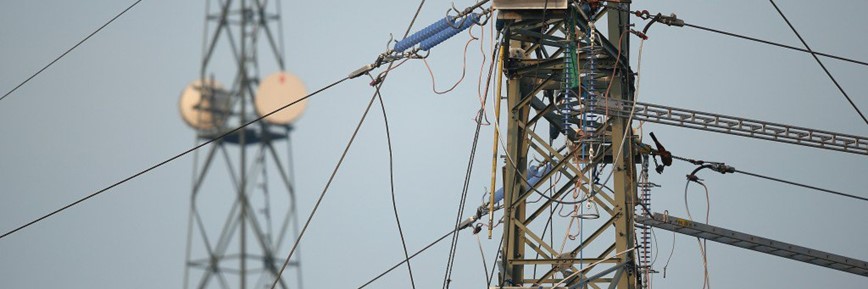
After passing the State Assembly Appropriations committee on Wednesday, a little known bill SB 1441 is headed for the assembly floor, which is slated to deliver big benefits for consumers and the environment. Not only will the bill create a strong market driver for utilities to operate tighter infrastructure and save California consumers tens of millions of dollars per year, the simple yet innovative approach it takes can chart a course for curbing methane leaks across the industry.
But first, a little context.
As recent as a couple years ago, non-hazardous natural gas leaks and venting were a commonly accepted occurrence across gas utility infrastructure. As long as a leak or a venting wasn't likely to ignite, utilities could let it go with many small persistent leaks lasting for decades. And though it sounds hard to believe, gas utilities continuously collect money from consumers through their gas bills to cover the amount of gas utilities lose, even though they also collect money from those same ratepayers to upgrade pipes. This market design works only to protect utilities giving them money to fix leaks while also covering them if they don't.
In 2014 however, the legislature made a major change to utility practices, saying gas companies had to use best practices to stop leaking and vented gas because methane, the main component of natural gas, is a potent climate change gas in addition to a safety hazard. Although SB 1371 also said utilities would have to adjust downward the amount they collect from ratepayers based on the amount they lose to the air, uncertainty in legislative terminology left utilities arguing that they should continue to get money to cover their lost gas a debate which has persisted to present day.
Ratepayers shouldn't owe money for utility leaks SB 1441 forces gas companies to run a tighter ship
In 2014, California's oil and gas industry is estimated to have lost more than $50 million worth of methane, with more than $20 million of that coming ...