
RFS Drives US Biodiesel Production Surge
Monday August 1, 2016
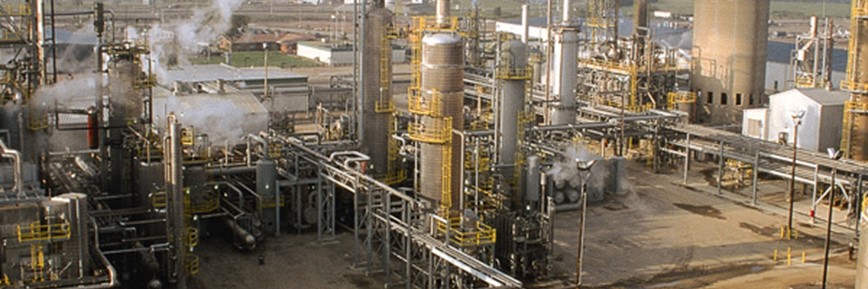
US biodiesel production surged during the first five months of 2016 compared with a year ago, with a climbing output rate driven by an increasing federal mandate to blend renewables into petroleum-based transportation fuels.
Biomass-based diesel fuel production in the United States, primarily biodiesel but also renewable diesel, has averaged more than 30% higher during the first five months of 2016 compared with a year ago based on data from the US Environmental Protection Agency. The higher level of supply availability coincides with clearer forward visibility for US biodiesel producers following the extension of a $1 gallon blender’s credit through this year and better clarity on blending targets under the Renewable Fuel Standard.
Higher biodiesel output comes despite weak producer margins that were negative from December 2015 through early May. The weakness in the return has more to do with price pressure for New York Mercantile Exchange ULSD futures than with soybean oil prices, although Chicago of Board of Trade soybeans futures rallied to a 10-month high in April before sliding to a nearly six-month low in early July on favorable growing conditions.
NYMEX ULSD futures also rallied in May alongside NYMEX West Texas Intermediate crude futures on supply disruptions for oil sands in Canada amid widespread wildfires in Alberta and militant attacks targeting oil and gas infrastructure in Nigeria, with the North African nation a member of the Organization of the Petroleum Exporting Countries. NYMEX oil futures also benefited in the latter part of the second quarter from strong gasoline demand in the US, China and India.
Freight demand in the US remains lackluster, with freight primarily moved by trucks in the United States. Freight movement did increase for two consecutive months in the second quarter, up in April and May, according to the US Department of Transportation’s Bureau of Transportation Statistics.
US industrial production also improved late in the second quarter, with output climbing to a four-month high in June after mixed readings from March through May, data from the Federal Reserve Bank of St. Louis shows. Nonetheless, US industrial production is holding well below the output rate experienced in 2015, weighing on diesel demand.
In the United States, diesel demand is primarily consumed in commercial and industrial operations, and the soggy growth in these sectors of the economy ha...